Good to Know
Trenchless vs. Traditional Sewer Line Repair
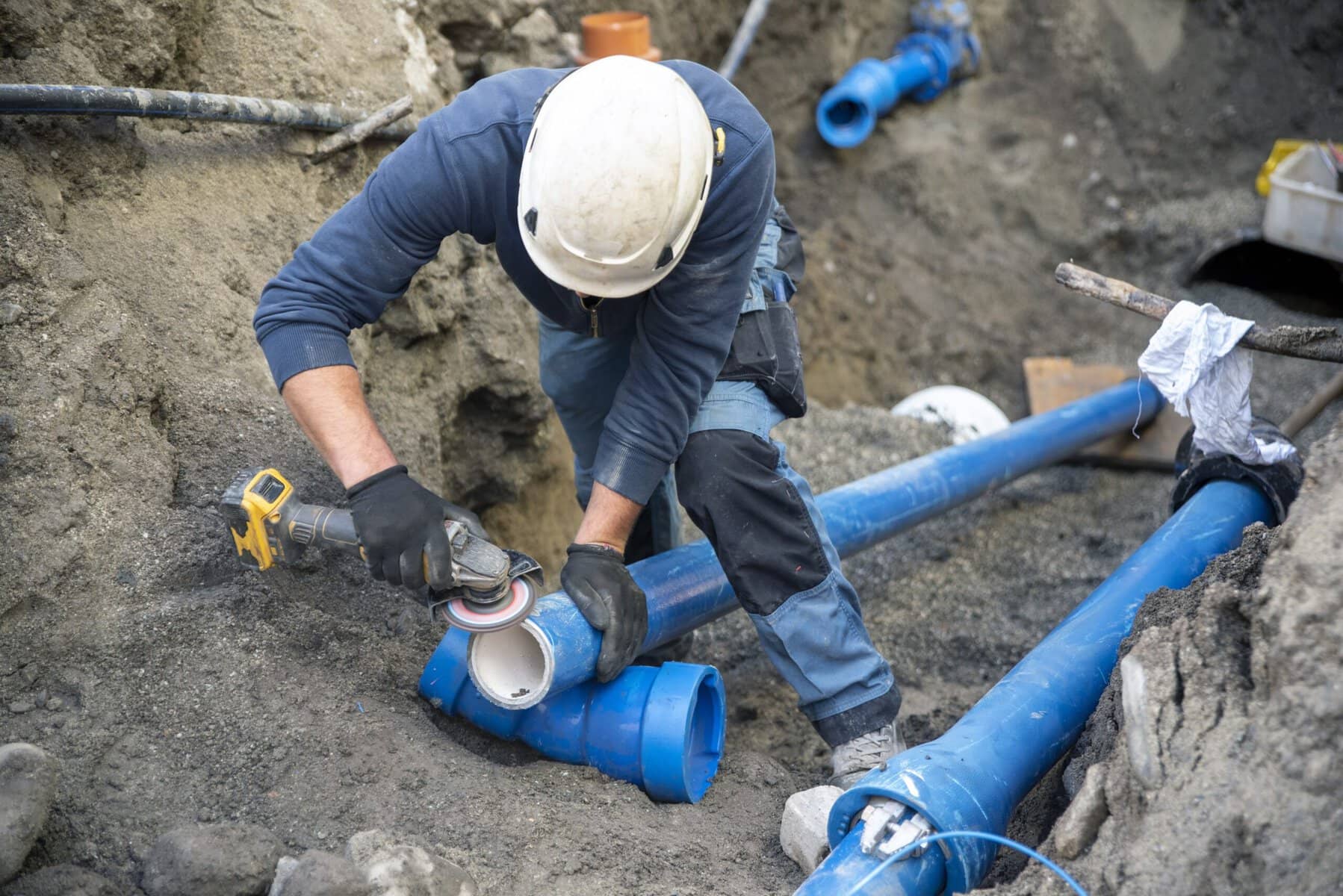
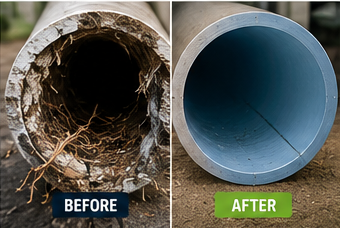
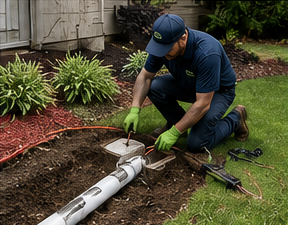
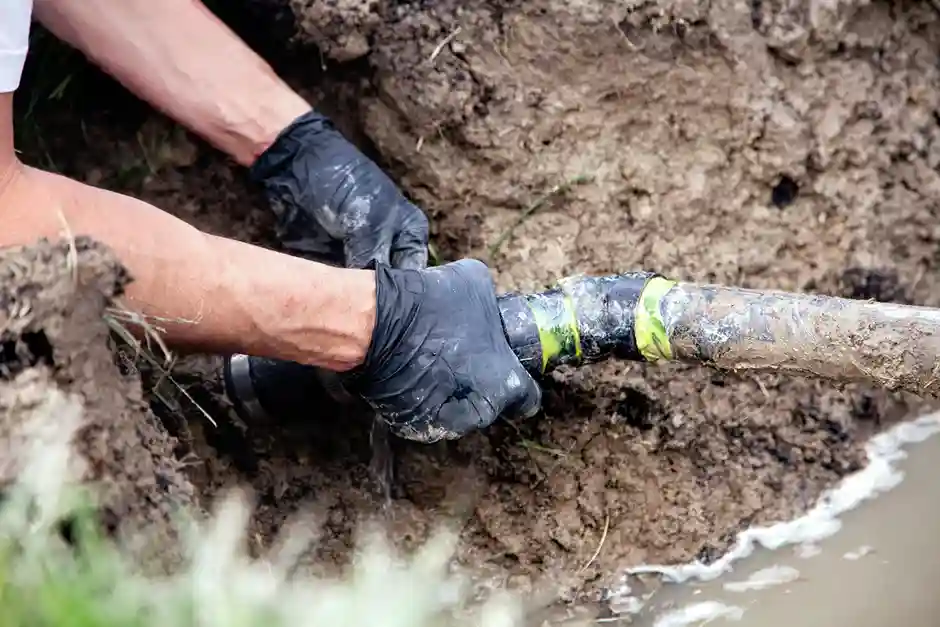
Not every sewer issue calls for an excavator. The traditional approach digs a trench straight down to the pipe, which gets the job done but leaves lawns, driveways, and patios torn up. Trenchless sewer line repair works through a couple of small access points instead, typically using one of two techniques: pipe relining, in which a cured-in-place pipe (CIPP) liner hardens into a new pipe inside the old one, or pipe bursting, which draws a fresh pipe through as it fractures the failed one. For plenty of Portland homes, that means sewer line repair without digging up the entire yard, and usually a quicker finish.
What drives the sewer line repair cost?
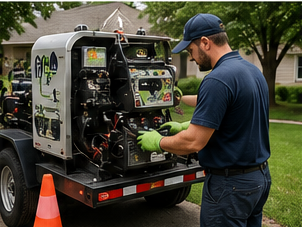
Honestly, the sewer line repair price comes down to the details: how deep the pipe is buried, how much of it is damaged, the material it is made from, and whether you need a simple spot repair or a complete sewer line replacement. That is the whole reason we lead with a sewer camera inspection. A clear sewer scope inspection shows whether the trouble is root intrusion, a cracked or broken sewer pipe, a belly in the sewer line, or a full collapse, so the quote matches the actual work rather than a worst-case assumption.
Common signs you need a sewer line contractor
Keep an eye out for drains that empty slowly across the whole house, toilets that gurgle, a sewage smell drifting through the yard, clogs that return soon after clearing, or a strip of lawn that is oddly green and soggy above the line. Each of these can signal root intrusion, a clogged sewer line, or a pipe on its way out. Acting early usually means a smaller, less expensive repair, often residential sewer line repair done trenchless, instead of an emergency excavation later. If those signs sound familiar, booking an inspection is the cheapest move you can make.